ORDERS FOR DELIVERY THIS YEAR HAVE NOW CLOSED. THE OFFICE WILL BE CLOSED FROM COB TUES 23 DECEMBER, RE-OPENING MONDAY 19 JANUARY, AND FIRST ORDERS FOR 2026 WILL GO OUT FROM MONDAY 26 JANUARY. WE WISH ALL OUR CUSTOMERS ALL THE BEST FOR BOTH THE FESTIVE AND THE GROWING SEASON. NGA MIHI O TE KIRIHIMETE ME TE TAU HOU:)

Cowslip

Primula veris

$9.50

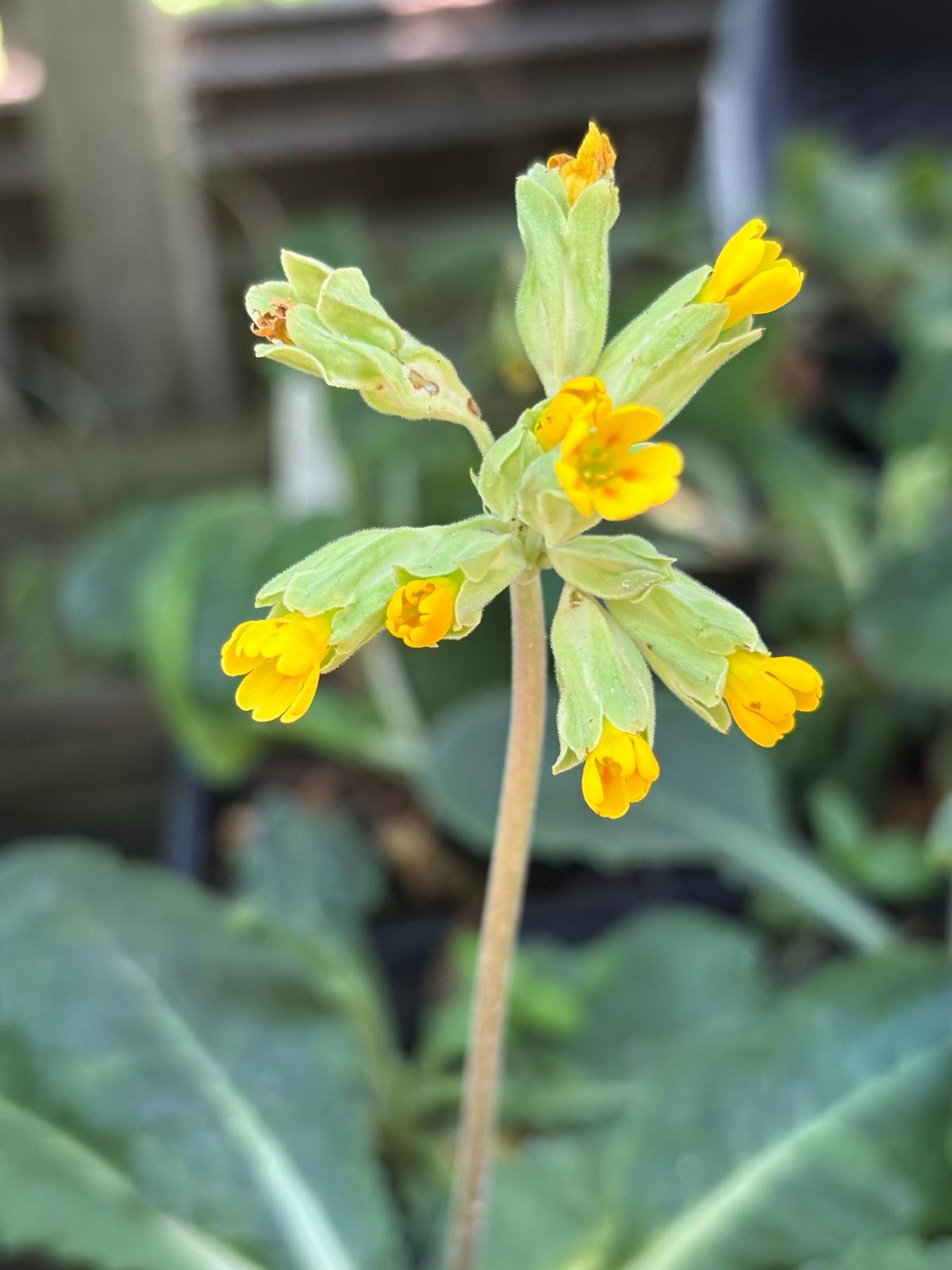
Hardy perennial herb of fields, hay meadows, hedgerows and woodland edges of Europe and Asia, sadly not nearly as common as it once was. Cowslip forms a low-growing rosette of pale green, crinkly, tongue-like leaves. In very early spring it forms upright, green stems bearing clusters of tube-like, egg-yolk-yellow flowers similar to primroses, to which it is closely related. The flowers have a faintly fruity smell, some say like apricot or freesias, whereas the roots when crushed smell like aniseed. Height to 25cm.

9cm pot

Cultivation

Full sun to part shade. Will tolerate quite a lot of shade but will not produce flowers in full shade. Prefers calcareous, moist soils. Will self-seed in the right conditions, and also spread on rhizomes.

Uses

The flowers and young leaves are edible and can be used raw in salads. The leaves contain vitamin C and beta-carotene. The flowers can also be drunk as a calming tea or made into a fragrant, refreshing wine, which was traditionally made to celebrate the arrival of spring.

The flowers can be made into a distilled water or ointment used for skin cleansing and toning. In the 17th century, the famous English herbalist Culpepper stated that anyone using it would become more beautiful! It is still used in skin preparations today for acne, pimples, and blemishes.

Medicinal Uses

The flowers are used to make a tonic tea or relaxing, sedative remedy. They are said to ease reactions to stress and tension, and can be used to treat epilepsy, nervous headaches, insomnia and aid sleep when in pain. They are gentle in their action and safe for children. They can also be used to soothe skin problems such as burns and pimples, and as a mouthwash for oral hygiene.

The roots contain saponosides which act as an expectorant, stimulating the nerves and muscles of the respiratory system to loosen mucus. Their effectiveness as an expectorant has been widely documented throughout modern history. They can be used in tinctures or decoctions to treat bronchitis, colds and coughs, including whooping cough.

Cowslip has been used in folk remedies to reduce blood clotting and is sometimes used as an antirheumatic.

Primary Actions: sedative, anti-spasmodic, expectorant, narcotic, anodyne, expectorant, antirheumatic

Parts Used: flowers, leaves, roots

History / Folklore / Further Info

The cowslip is closely associated with English folklore and tradition, including adorning garlands for May Day and being strewn on church paths for weddings. The names comes from the old English word ‘Cuslyppe’ meaning cow-slop, i.e. cowpat, due to the occurrence of the plant in meadows.

Shakespeare seems to have been very fond of the plant, mentioning it no less than 8 times in his plays, including in The Tempest, where Ariel the sprite sings to celebrate his freedom ‘Where the bee sucks, there suck I, In a cowslip’s bell I lie.’

Herbie Says

Folk herbalist Juliette de Bairacli Levy recommended cowslip flowers be fed to nervous and excitable animals to help calm them. I haven’t tried them myself but I’m a pretty chilled out type already! She also said that the flowers give good colour and flavour to dairy products if you let my friends the cows graze on them.

Shipping Advice

N.B. Shipping costs are added AFTER you have placed your order, you will then be emailed an invoice with bank details. 

Smallest box rate:
This can fit up to 9 plants in 9cm pots.

Shipping a single tree can be expensive. We may be able to fit more in the box for the same price! See our shipping rates for single and multi tree boxes.

Combining sizes?
No problem, we will work out the best rate for you once you’ve placed your order.

Medical disclaimer

Jo has a passion for growing herbs but is not a qualified herbalist and has no medical background.

We are lucky to have Patricia Beagle working here at times, who is qualified, and some of her advice does appear on these pages, but herbs act differently for different people and can interact with other medicines. We therefore always recommend that you consult with your own qualified health-care practitioner before using herbal products, particularly if you are pregnant, nursing or on any medications.

Kahikatea Farm cannot take any responsibility for any adverse effects from the use of the plants or a plant not having the effect it is reputed to have. 

Related Products

Search Products