HAVE YOU CHECKED OUT OUR NEW PLANTS CATEGORY RECENTLY? LOTS OF NEW OFFERINGS OF USEFUL PLANTS FOR YOUR GARDEN AND FOOD FOREST!

Japanese Pepper Tree

Zanthoxylum piperitum

$28.00

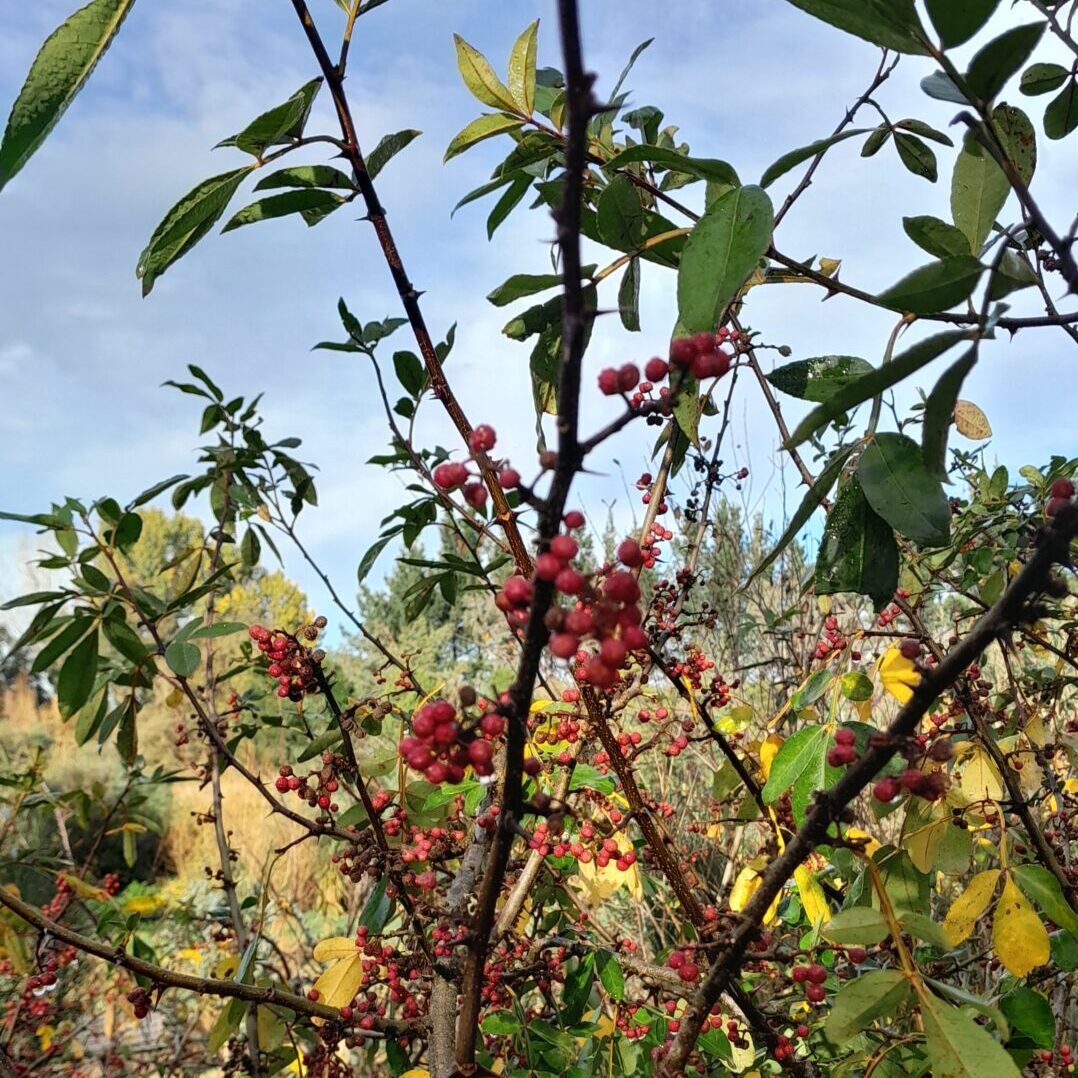
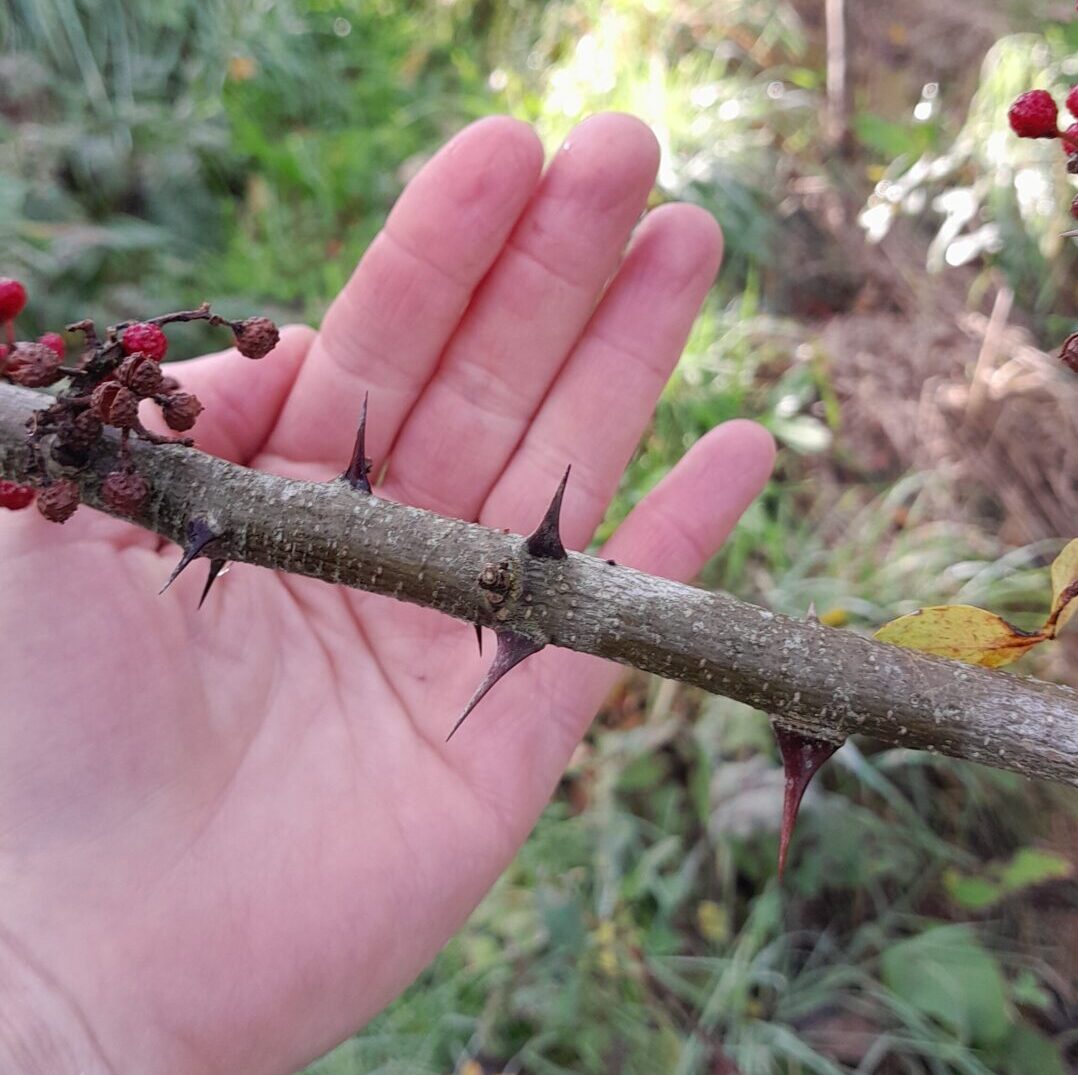
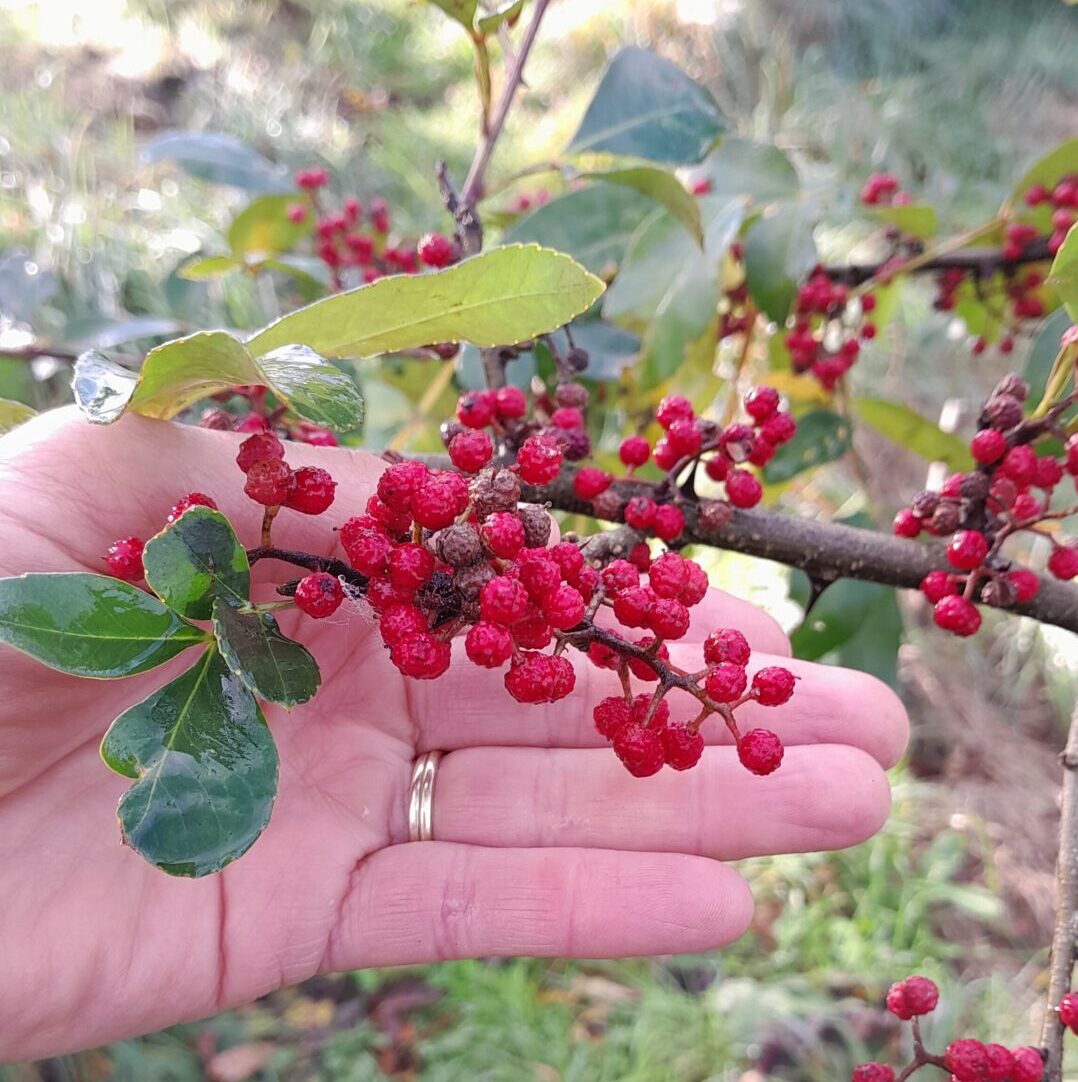
Also known as Japanese Prickly Ash, and called Sancho (山椒) in Japan and Chopi (초피) in Korea, this deciduous shrub is a member of the Rutaceae family, which also includes rue and citrus. It is very closely related to the Szechuan/Sichuan Pepper Tree, which produces a well known Chinese aromatic condiment, one of the ingredients of five-spice mix. This species is one of the main ingredients of the blended spice called shichimi. Despite the thorns which give it its name, it is definitely worth growing – outside your daughter’s bedroom window perhaps?! Seriously, both leaves and berries are delicious and easy care condiments to grow in your garden or food forest.

The shrub is moderately-fast growing, to a height of 3-5 metres and spread of 3 metres, but can be kept pruned smaller. Clusters of yellowy-green flowers form in the leaf axils in spring, and on female plants these will produce berries in autumn (the plants are dioecious, bearing only male or female flowers on each tree). Our plants are seed grown and unsexed, so we offer a discount on purchases of three plants to improve the chances of getting both male and female. (Discount will be applied on invoice). Fruit can be produced as early as the second or third year.

Caveat: We have been reliably informed that this is the species Z. piperitum. However all our 4 plants produce fruit. We do have other species in our food forest and they are hard to distinguish (except one that is virtually evergreen). So it’s possible that these are a different species and are self-fertile (Z. simulans?). I am not a botanist and would welcome any insights – please get in touch! In the meantime we are happy to still offer these plants as there is not a huge amount to choose between them anyway, and they have already proven their worth over many years:)

11cm pot. Height 30-40cm

Cultivation

Japanese Pepper prefers a sunny spot preferably with dappled shade reminiscent of its natural forest edge habitat. It enjoys average, not overly acidic or rich soils (which promotes leaf growth at the expense of fruit). Free draining soils are required, our sandy clay hillside is fine but heavy sticky clay is not. It tolerates a wide range of temperatures, from hot summers to cold winters down to minus 15 Celsius. In dry areas of the country it may need irrigation through the hottest of summers, in more humid areas this may not be required. Our trees are unirrigated in a fairly dry part of our food forest.  Pruning, if required, should be done in early spring, removing dead or damaged branches, and reducing the height of young branches just sprouted by at least 15 cm. Avoid removing old wood  as this is where the next season’s flowers will be produced. Lower branches can be pruned off to make access easier if desired.

Pick the berries as soon as they are ripe, before they split, and dry out the clusters on a sunny windowsill.

Uses

Unlike black pepper, it is not the seed of the berry that is used as a spice, but the outer skin and flesh. The spice has a highly fragrant, citrusy aroma and flavour, and leaves a slight numbness in the mouth (due to a compound called hydroxy-alpha sanshool). James Wong (‘Homegrown Revolution’) describes the flavour as a blend of ‘orange peel, chilli and eucalyptus’. It can be added to fish and poultry dishes, soups, noodles etc, or rubbed on steak, and combines well with ginger and star anise. The spice can also be lightly toasted before adding towards the end of cooking. They can be added to a pepper mill and used as a pepper alternative. An oil can also be extracted from the fruits and used as a flavouring.

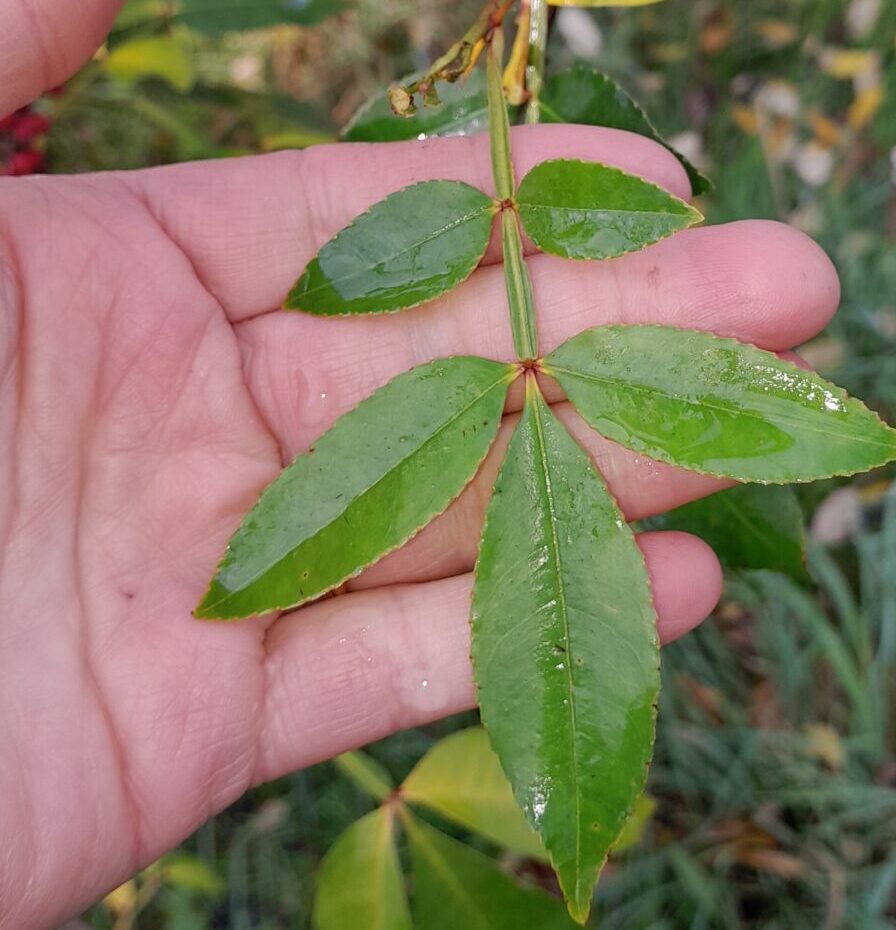
The leaves (best harvested in early spring) are deliciously aromatic when crushed or brushed against, and can also be used as a herb, like bay or curry leaves – toss one in when cooking rice for a beautiful rich flavour. In Japan they are known as kinome and are used whole or minced in bamboo shoot and seafood dishes

Medicinal Uses

Species of Zanthoxylum have been used medicinally wherever they occur in the world, variously to treat inflammation, pain, hypertension, vomiting, diarrhoea, tuberculosis, dyspepsis, internal parasites and brain diseases.  Over 500 compounds have been isolated from Z. species, including many such as hesperidin, sesamin, berberine, rutaceline, nitidine, fagaronine chelerythridine, and sanguinarine, which have demonstrated significant effects such as antiperiodic, antitussive, carminative, diuretic, parasiticide and stimulant. High levels of antioxidant activity has been found in the leaves, seeds and fruit. The fruit is considered to be anthelmintic, antibacterial, antifungal and stomachic. It is said to inhibit the synthesis of prostaglandin and, in larger doses, can be toxic to the central nervous system. The resin contained in the bark, and especially in that of the roots, is powerfully stimulant and tonic.

History / Folklore / Further Info

Zanthoxylum is a genus of about 250 species of deciduous and evergreen trees, shrubs and climbers which are found across warm temperate and subtropical areas worldwide. The term Zanthoxylum derives from Xanthoxylum, from the Greek xanthós, meaning ‘yellow’ and xylon meaning ‘wood’, due to the colour of the heartwood of the roots of some species of this genus. The specific epithet piperitum refers to the peppery, spicy taste.

Shipping Advice

N.B. Shipping costs are added AFTER you have placed your order, you will then be emailed an invoice with bank details. 

Smallest box rate:
This can fit up to 9 plants in 9cm pots.

Shipping a single tree can be expensive. We may be able to fit more in the box for the same price! See our shipping rates for single and multi tree boxes.

Combining sizes?
No problem, we will work out the best rate for you once you’ve placed your order.

Medical disclaimer

Jo has a passion for growing herbs but is not a qualified herbalist and has no medical background.

We are lucky to have Patricia Beagle working here at times, who is qualified, and some of her advice does appear on these pages, but herbs act differently for different people and can interact with other medicines. We therefore always recommend that you consult with your own qualified health-care practitioner before using herbal products, particularly if you are pregnant, nursing or on any medications.

Kahikatea Farm cannot take any responsibility for any adverse effects from the use of the plants or a plant not having the effect it is reputed to have. 

Search Products