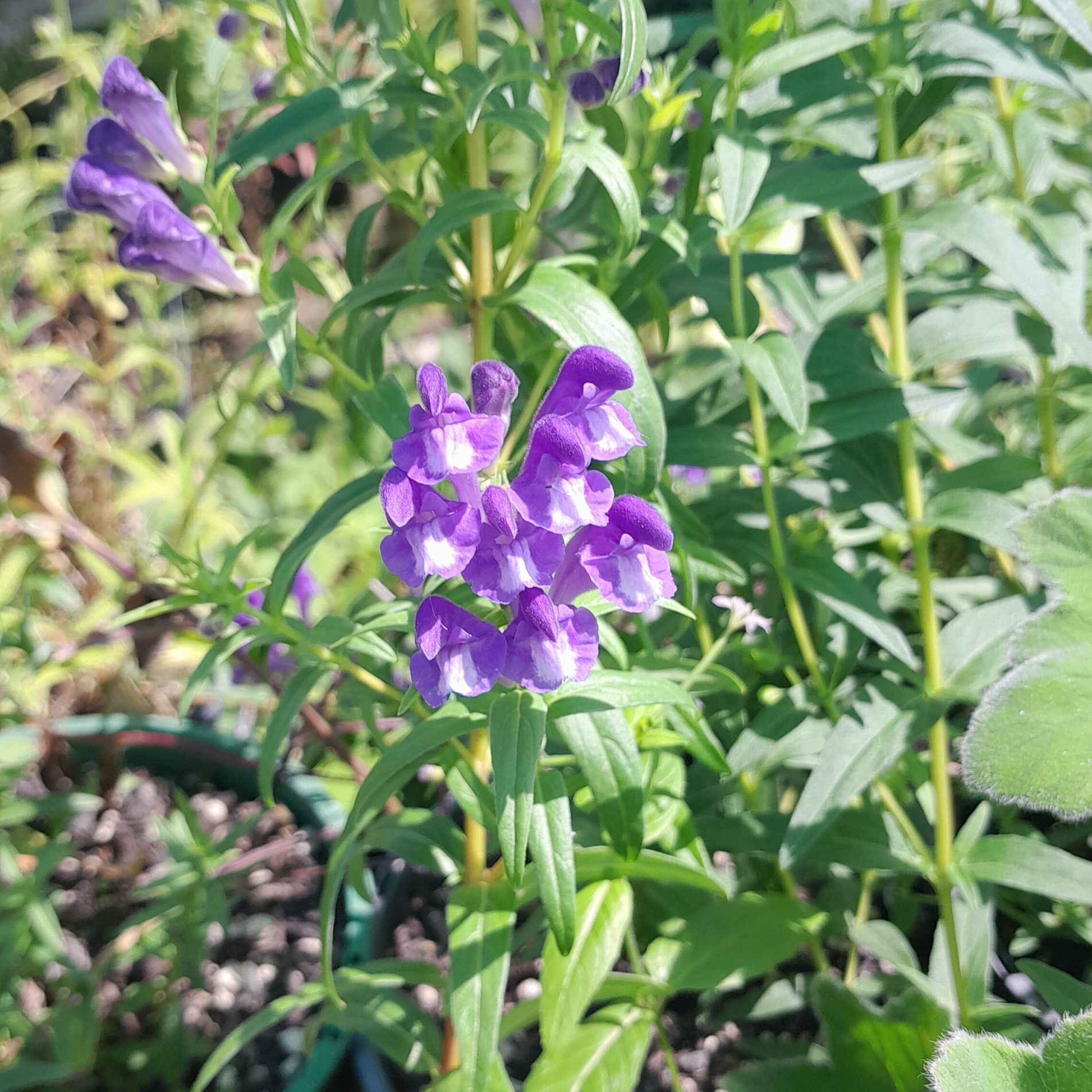
It is considered to be one of the 50 fundamental herbs of Chinese herbalism and is used primarily in treating “hot and damp” conditions such as dysentery and diarrhoea. Recent research has found that the roots contain flavonoids that greatly enhance liver function and also have anti-inflammatory and antiallergenic effects. Its anti-inflammatory properties are exploited for the treatment of chronic inflammatory conditions, particularly autoimmune disorders and chronic infections. It is also used to treat allergic conditions such as asthma, eczema, and hay-fever/allergic rhinitis, used as a nerve tonic to calm anxiety, reduces fevers, may reduce the risk of heart disease, may help to fight cancer cells, and may treat epilepsy and calm muscle spasms. The roots should be harvested once the plant has reached 3-4 years old and built up the medicinal compounds.
Primary Actions: Anti-inflammatory, anti-allergenic and immune-modulating
Parts Used: root
Energetics: bitter, cooling