ORDERS FOR DELIVERY THIS YEAR HAVE NOW CLOSED. THE OFFICE WILL BE CLOSED FROM COB TUES 23 DECEMBER, RE-OPENING MONDAY 19 JANUARY, AND FIRST ORDERS FOR 2026 WILL GO OUT FROM MONDAY 26 JANUARY. WE WISH ALL OUR CUSTOMERS ALL THE BEST FOR BOTH THE FESTIVE AND THE GROWING SEASON. NGA MIHI O TE KIRIHIMETE ME TE TAU HOU:)

Burnet Saxifrage

Pimpinella saxifraga

$7.50

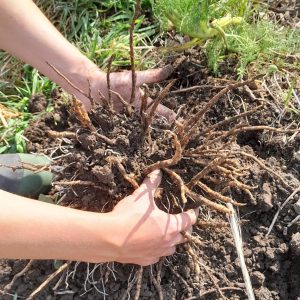
Also known as Lesser Burnet, this hardy perennial herb in the Apiaceae (carrot) family is native to Britain and temperate parts of Europe into Western Asia. It grows as a flattish basal rosette of deeply serrated leaves, and has a deep taproot. In late spring umbels of white flowers are produced, to a height of 60cm. Extremely cold hardy.

9cm pot

Cultivation

Enjoys full sun or part shade and dry-ish, stony, calcareous soils, though it will need watering in hotter parts of the country. Cut back after flowering.

Uses

The young leaves and shoots have a mild peppery flavour with a hint of cucumber, and can be used in salads. The seeds are edible and can be used as a condiment, though they have quite a pungent flavour. An essential oil can be extracted from them and is used as a flavouring in liqueurs and other products. The roots were also used as an ingredient in traditional herbal ales.

As with all the flowers in this family, the umbels are perfect for attracting beneficial insects such as hoverflies and ladybirds.

The whole plant is highly nutritious for sheep and cattle, and in the past was cultivated for fodder.

Medicinal Uses

The herb has a long history of medicinal use for its diuretic and anti-inflammatory properties. Usually the dried root is used, taken internally to treat kidney disorders and urinary tract infections, as well as to calm the intestines, and to stimulate milk production in lactating women. Its expectorant effects are used to treat coughs and bronchitis and a herbal extract can be gargled for sore throats. The fresh root can be chewed to treat toothaches, and is said to be very effective although the taste is bitter, almost acrid. In the past the plant was also used topically to treat wounds, and has been shown to have antiseptic and healing properties.

Primary Actions: expectorant, diuretic, anti-inflammatory, antiseptic , vulnerary, galactagogue

Parts Used: root

History / Folklore / Further Info

Burnet saxifrage is actually neither a burnet (sanguisorba spp), which its leaves resemble, nor a saxifrage, but is closely related to anise (Pimpinella anisum).

Jo Says

This is a common plant of the chalk downs (hills) in the south of England where I am from originally. Wish I’d known about it then!

Shipping Advice

N.B. Shipping costs are added AFTER you have placed your order, you will then be emailed an invoice with bank details. 

Smallest box rate:
This can fit up to 9 plants in 9cm pots.

Shipping a single tree can be expensive. We may be able to fit more in the box for the same price! See our shipping rates for single and multi tree boxes.

Combining sizes?
No problem, we will work out the best rate for you once you’ve placed your order.

Medical disclaimer

Jo has a passion for growing herbs but is not a qualified herbalist and has no medical background.

We are lucky to have Patricia Beagle working here at times, who is qualified, and some of her advice does appear on these pages, but herbs act differently for different people and can interact with other medicines. We therefore always recommend that you consult with your own qualified health-care practitioner before using herbal products, particularly if you are pregnant, nursing or on any medications.

Kahikatea Farm cannot take any responsibility for any adverse effects from the use of the plants or a plant not having the effect it is reputed to have. 

Search Products