ORDERS FOR DELIVERY THIS YEAR HAVE NOW CLOSED. THE OFFICE WILL BE CLOSED FROM COB TUES 23 DECEMBER, RE-OPENING MONDAY 19 JANUARY, AND FIRST ORDERS FOR 2026 WILL GO OUT FROM MONDAY 26 JANUARY. WE WISH ALL OUR CUSTOMERS ALL THE BEST FOR BOTH THE FESTIVE AND THE GROWING SEASON. NGA MIHI O TE KIRIHIMETE ME TE TAU HOU:)

Dog Rose

Rosa canina

$28.00

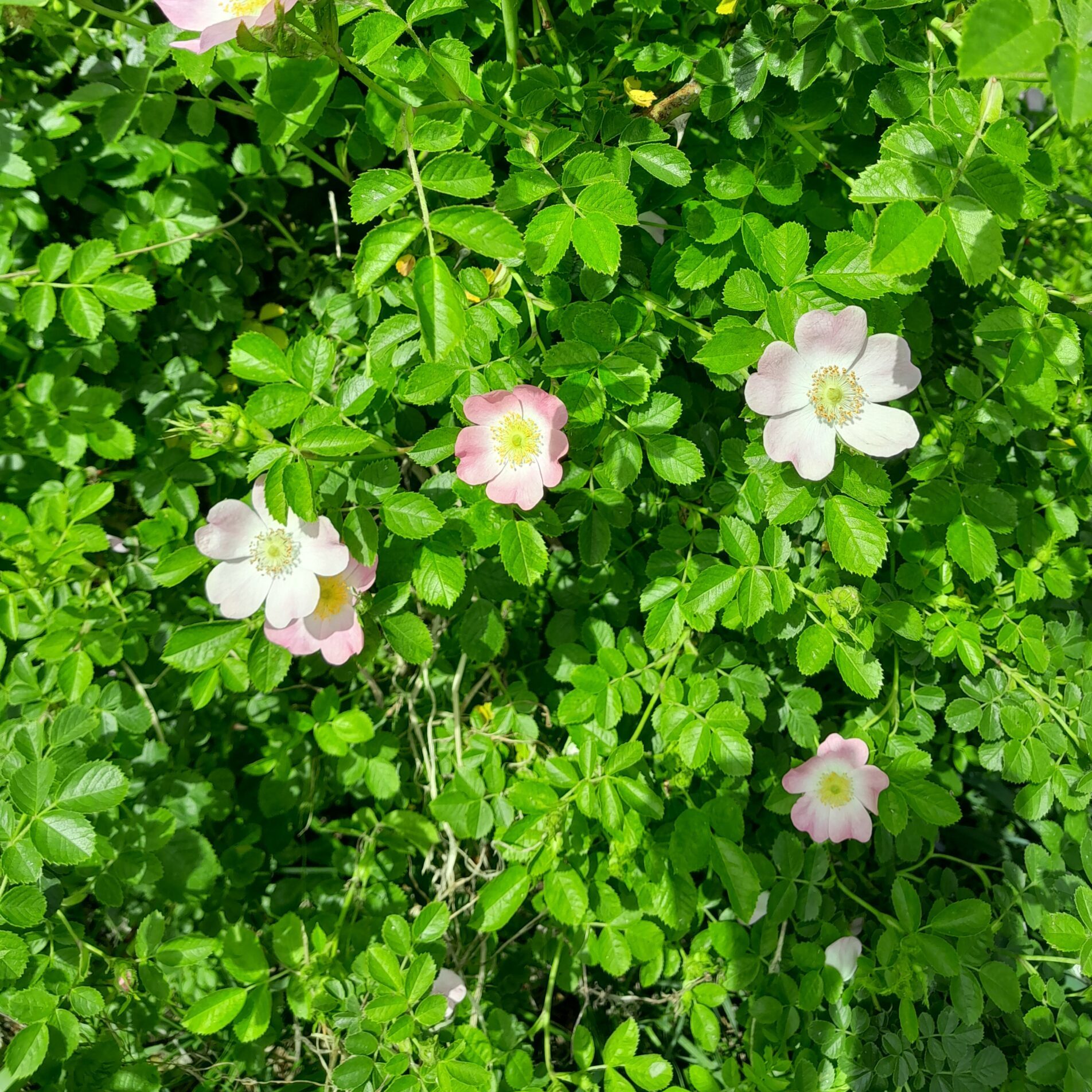
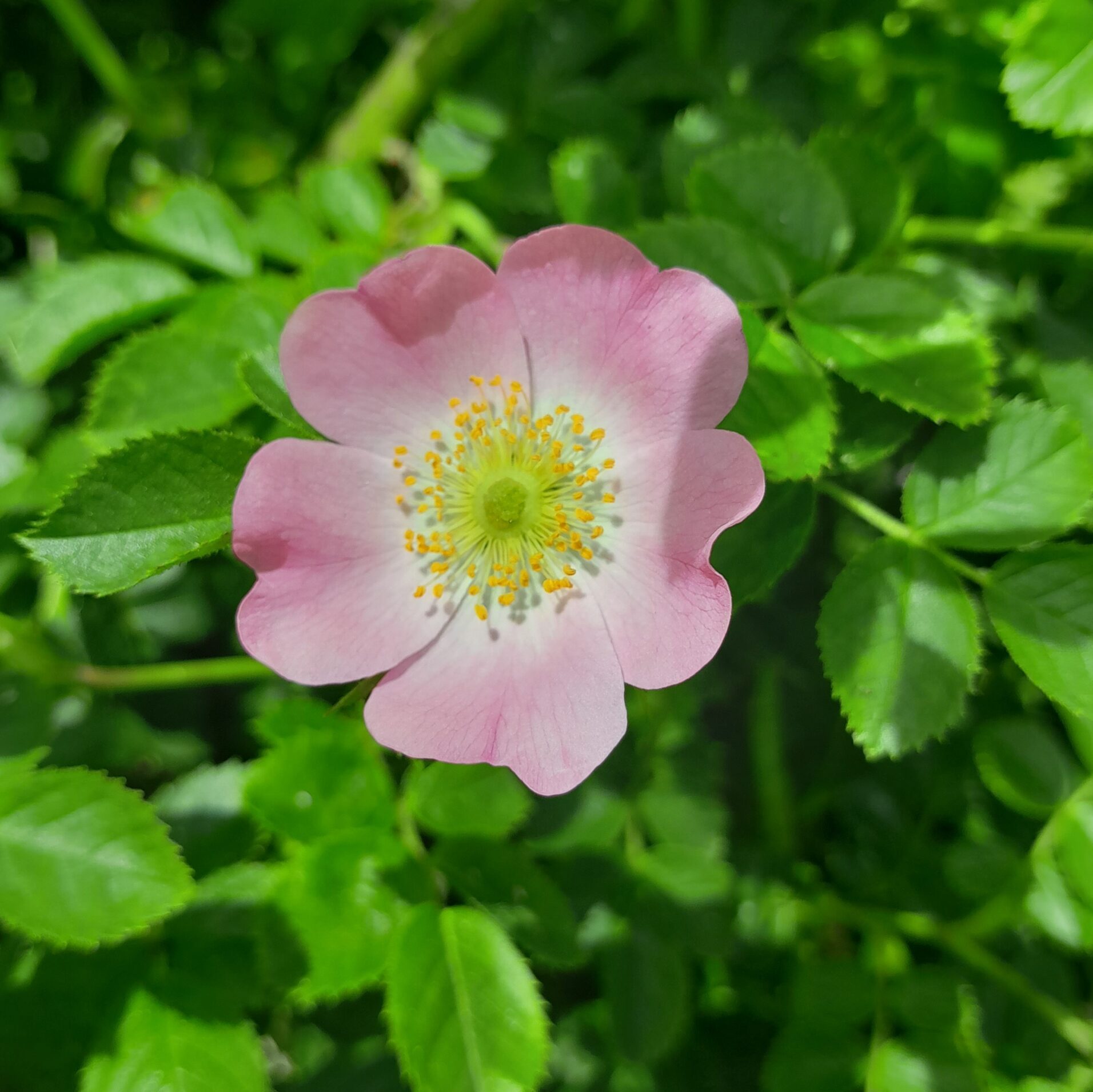
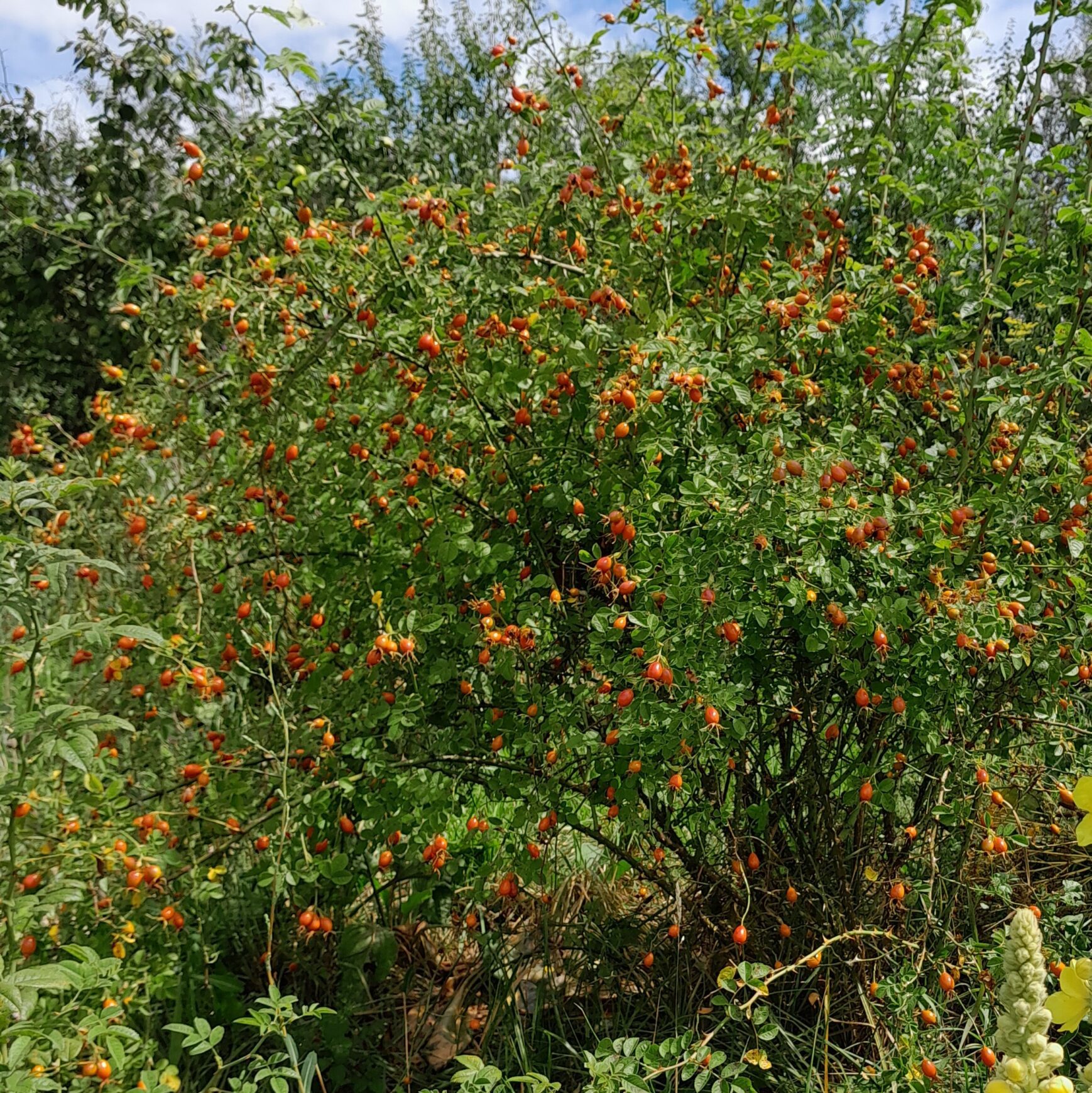
Deciduous shrub of forest margins and open ground growing to 2m high or more, with sharp hooks which also enable it to climb. Masses of pale pink flowers from early summer are followed by the hips (fruits) in autumn which are ornamental as well as being edible and medicinal, and hang on to the shrub through winter.

11cm pot

Photos: Kahikatea Farm

Cultivation

Dog rose is happy growing in sun or part shade on all soil types including heavy clay, as long as the soil does not have extremes of wet or dry. It is very wind tolerant, including in maritime areas. Pruning is not necessarily required, but dead wood should be pruned out and the shrub can be pruned to the size and shape desired, after the flowering season has finished.

Uses

The hips can be eaten fresh, although the layer of flesh is only thin, and care must be taken to avoid the inner hairs which can irritate the throat. The hips can be used fresh or dried to make syrups or teas, ketchup or wine, or preserved in vinegar, honey or alcohol. The leaves can also be dried for tea and the seeds, which are high in vitamin E, can be ground and added to other flours. The petals are also edible (avoid the bitter white base) and can be used to make a deliciously perfumed jelly.

Dog rose can be used as a rootstock for the grafting or budding of cultivated roses, for stabilising soil in land reclamation and for hedging.

Medicinal Uses

Rosehips are a great source of vitamin C, with 20 times more vitamin C than oranges (weight for weight). During World War II, when Britain could not import citrus, people were encouraged to forage for rose hips to avoid vitamin C deficiency. Rosehips also contain vitamins A, and E, flavonoids and other bio-active compounds. They are also a fairly good source of essential fatty acids.  Rose hips are used in medications as a diuretic and a laxative, and used to treat various digestive ailments. They are also used to treat kidney and lower urinary tract disorders as well as arthritis, gout, and common colds and their associated fevers. The seeds have been used to remove intestinal worms effectively. A distillation from the dog rose can be used as an astringent lotion for sensitive skin.

Primary Actions: astringent, diuretic, laxative, nutrient

Parts Used: flowers, fruit, seeds

History / Folklore / Further Info

Dog rose is an invasive species in the high country of New Zealand although DOC does not consider it to be a conservation threat. However if you live in these regions we advise you not to plant it.

Herbie Says

The origin of the name ‘Dog’ Rose is of course very interesting to me! As far back as Ancient Greek times it was believed the plant root could cure the bite of a rabid dog. Some consider the name may be related to the hooked prickles on the plant that resemble my pearly white canines in shape. Still others believe the word ‘dog’ has a negative connotation here, meaning it’s ‘worthless’ compared with cultivated varieties of roses. Frankly I find this insulting to myself and to the dog roses!

Shipping Advice

N.B. Shipping costs are added AFTER you have placed your order, you will then be emailed an invoice with bank details. 

Smallest box rate:
This can fit up to 9 plants in 9cm pots.

Shipping a single tree can be expensive. We may be able to fit more in the box for the same price! See our shipping rates for single and multi tree boxes.

Combining sizes?
No problem, we will work out the best rate for you once you’ve placed your order.

Medical disclaimer

Jo has a passion for growing herbs but is not a qualified herbalist and has no medical background.

We are lucky to have Patricia Beagle working here at times, who is qualified, and some of her advice does appear on these pages, but herbs act differently for different people and can interact with other medicines. We therefore always recommend that you consult with your own qualified health-care practitioner before using herbal products, particularly if you are pregnant, nursing or on any medications.

Kahikatea Farm cannot take any responsibility for any adverse effects from the use of the plants or a plant not having the effect it is reputed to have. 

Related Products

Search Products