WE'RE BATTENING DOWN THE HATCHES FOR THE CYCLONE, FINGERS CROSSED THAT WE'LL BE PACKING PLANTS AS NORMAL ON MONDAY MORNING AND COURIERING THEM ACROSS THE MOTU - TIME WILL TELL!

False Indigo

Amorpha fruticosa

$18.00

Out of stock

Join the waitlist to be emailed when this product becomes available

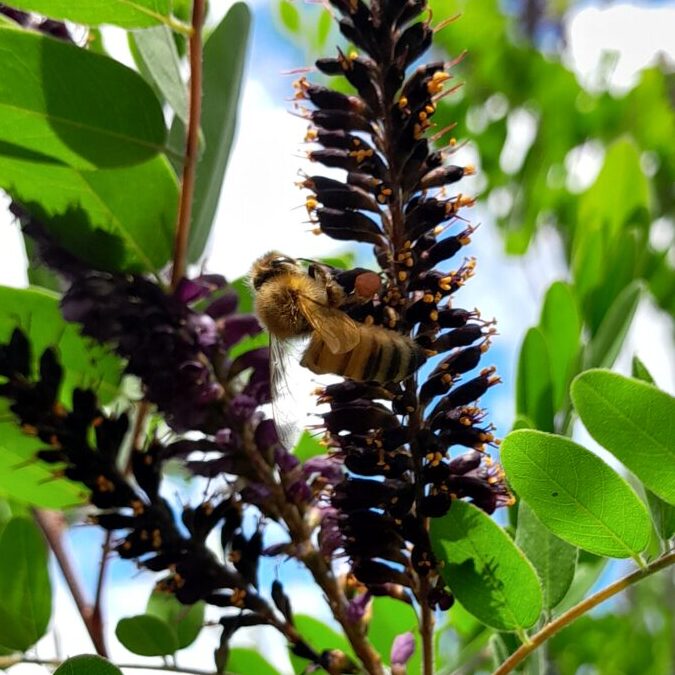
Deciduous nitrogen-fixing shrub native to most parts of the United States, southeastern Canada, and northern Mexico, where it grows in habitats such as stream and pond edges, open woods, roadsides and canyons.  Bright green leaves are composed of multiple oval leaflets common to legume-family plants. However, the flowers, which are produced in spring, are very atypical of this family. But they are absolutely stunning – the inflorescence is iridescent!! In other words the flower cluster is a spike of multiple purple flowers, each with ten protruding stamens with golden yellow anthers, creating a spectacular haze of purple and orange. Bees and butterflies adore these flowers. Kidney-shaped seed pods containing one or two seeds are produced after the flowers and may hang on to the bush through winter.  Height 3-4 m

11cm pot


Cultivation

A very adaptable plant which grows well in full sun or part shade and is wind-resistant. It is drought tolerant once established but does prefer a moisture retentive soil, and apparently can even tolerate occasional flooding. Ours have done OK in our un-irrigated food forest in Hawke’s Bay but the nursery plants with regular water are a whole lot happier still. Prune to maintain a shrubby form otherwise it can get leggy.

Uses

False Indigo has a symbiotic relationship with nitrogen-fixing bacteria which can help make nitrogen available to nearby plants, especially if the False Indigo is pruned. In fact it is not just tolerant of pruning, but is It is also extremely amenable to being coppiced (cut down to the ground before regrowing) so can be used as a biomass plant for mulching and is being used more and more in North American syntropic agroforestry systems as part of a pruning ‘pulse’.
The flowers of this plant provide a fantastic nectar source for bees and butterflies in spring.

Native Americans of the Great Plains used this plant for multiple uses including as a bedding material, for horse feed, to make arrow shafts, to create a clean surface on which to put butchered meat. The plant also contains small amounts of indigo pigment and can be used to make a blue dye.

False Indigo is fairly wind tolerant, and can be planted as a medium height windbreak, however note that it is deciduous so not useful to protect from winter winds (and is not tolerant of maritime exposure). It has an extensive root system which can help prevent soil erosion.

Resinous pustules on the plant contain ‘amorpha’, a contact and stomachic insecticide that can also act as an insect repellent, said to be effective against aphids and cattle flies.

Medicinal Uses

The Seminoles tribes used an infusion from leaves and stems as a general tonic and also against rheumatism and chronic sickness (together with other plants); whilst the Omaha tribes used the plant to cure wounds.

History / Folklore / Further Info

The Genus name comes from the Greek word amorphos meaning shapeless or deformed in reference to the corolla of this pea family genus lacking wings and a keel. The specific epithet comes from the Latin word frutex meaning shrub in reference to its shrubby form.

Herbie Says

Although Great Plains tribes apparently fed False Indigo to their horses, the plant does contain alkaloids which can be toxic to livestock, so best not to use this as a fodder plant for my larger four-legged friends.

Shipping Advice

N.B. Shipping costs are added AFTER you have placed your order, you will then be emailed an invoice with bank details. 

Smallest box rate:
This can fit up to 9 plants in 9cm pots.

Shipping a single tree can be expensive. We may be able to fit more in the box for the same price! See our shipping rates for single and multi tree boxes.

Combining sizes?
No problem, we will work out the best rate for you once you’ve placed your order.

Medical disclaimer

Jo has a passion for growing herbs but is not a qualified herbalist and has no medical background.

We are lucky to have Patricia Beagle working here at times, who is qualified, and some of her advice does appear on these pages, but herbs act differently for different people and can interact with other medicines. We therefore always recommend that you consult with your own qualified health-care practitioner before using herbal products, particularly if you are pregnant, nursing or on any medications.

Kahikatea Farm cannot take any responsibility for any adverse effects from the use of the plants or a plant not having the effect it is reputed to have. 

Related Products

Search Products