WE STILL HAVE A FEW SPOTS LEFT ON OUR EASTER SATURDAY PERMACUTURE FARM & NURSERY TOUR - HOP ON TO THE EDUCATION PAGE FOR MORE INFO AND TO BOOK YOUR PLACE!

Mint Peppermint

Mentha x piperata

$9.50

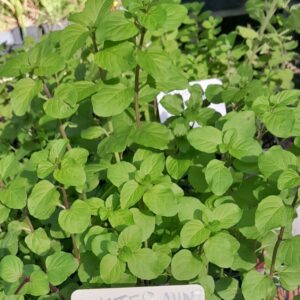
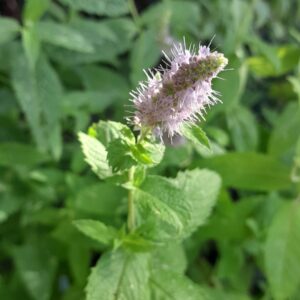
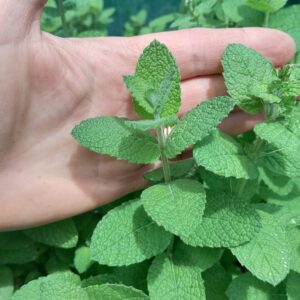
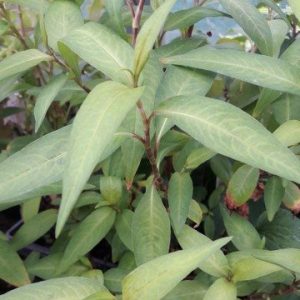
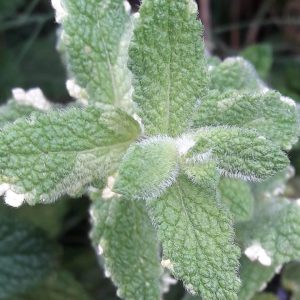
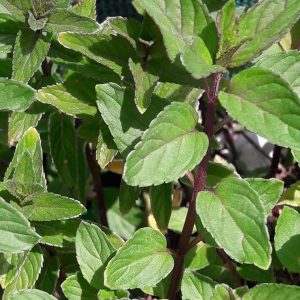
Peppermint is a naturally occurring cross between watermint and spearmint. It is a herbaceous rhizomatous perennial plant that grows to be 30–90 cm tall, with red stems and leaf veins which distinguish it from other mints. The purple flowers produce much nectar for bees.  Peppermint is among the oldest herbs used for both culinary and medicinal products and is known in particular for its ability to aid digestion.

9cm pot

Cultivation

Peppermint enjoys growing in moist soil and will grow in dappled shade or full sun, where it will require more water. Keep it confined to a pot if you don’t want it to spread (with a saucer under the pot to retain water).

Uses

Peppermint is commonly used as a flavouring in food and other products such as chewing gum and toothpaste, and makes a delicious refreshing tea. The leaves have an affinity with new potatoes and strawberries, and can also be used sparingly in green and fruit salads.

Peppermint is also said to repel mice and rats and can be grown near areas where grain is stored, or around a chook run or strewn in their pens to discourage rodents. Grow a pot of it on your seed sowing bench to deter mice.

Medicinal Uses

Peppermint is among the oldest herbs used for both culinary and medicinal products and is known in particular for its ability to aid digestion. It has a relaxing effect on the visceral muscles of the stomach, and stimulates production of bile and digestive juices, as well as being a mild anaesthetic to the stomach wall and having anti-flatulent properties. Hence it has shown health benefits for irritable bowel syndrome (IBS), Crohn’s Disease etc and relief of symptoms of travel and morning sickness. Peppermint is also antibacterial (including against E coli) and also said to be effective against yeast infections such as Candida albicans, and the Giardia parasite. It has significant benefits for treating headaches, fevers, colds, and flu but can interact with some medicines. All Mentha species are rich in antioxidants, Vitamin A and E.  Chinese peppermint is derived from Mentha haplocalyx, but contains the same active compounds menthol and menthonen, and can be used in the same ways.  It is safe for children to drink 2-3 cups of peppermint tea per day, and is an easy one for them to harvest. It can also be used to help soothe their tummy aches and in the bath to ease skin itchiness.

Primary Actions: carminative, anti-emetic, anti-spasmodic, antioxidant, antiseptic, antibacterial, diaphoretic, nervine

Parts Used: leaf, flower

Energetics: cooling

History / Folklore / Further Info

Shipping Advice

N.B. Shipping costs are added AFTER you have placed your order, you will then be emailed an invoice with bank details. 

Smallest box rate:
This can fit up to 9 plants in 9cm pots.

Shipping a single tree can be expensive. We may be able to fit more in the box for the same price! See our shipping rates for single and multi tree boxes.

Combining sizes?
No problem, we will work out the best rate for you once you’ve placed your order.

Medical disclaimer

Jo has a passion for growing herbs but is not a qualified herbalist and has no medical background.

We are lucky to have Patricia Beagle working here at times, who is qualified, and some of her advice does appear on these pages, but herbs act differently for different people and can interact with other medicines. We therefore always recommend that you consult with your own qualified health-care practitioner before using herbal products, particularly if you are pregnant, nursing or on any medications.

Kahikatea Farm cannot take any responsibility for any adverse effects from the use of the plants or a plant not having the effect it is reputed to have. 

Search Products