UNFORTUNATELY WE HAVE HAD TO INCREASE OUR SHIPPING RATES AS OF 8 JUNE DUE TO THE HIGH VARIABLE FUEL RATES NOW BEING ADDED BY OUR COURIER ARAMEX. WE ARE GRATEFUL THAT THESE EXTRA CHARGES HAVE ONLY JUST KICKED IN DESPITE THE RISE IN FUEL COSTS OVER THE LAST 2 MONTHS.

Apple Serviceberry

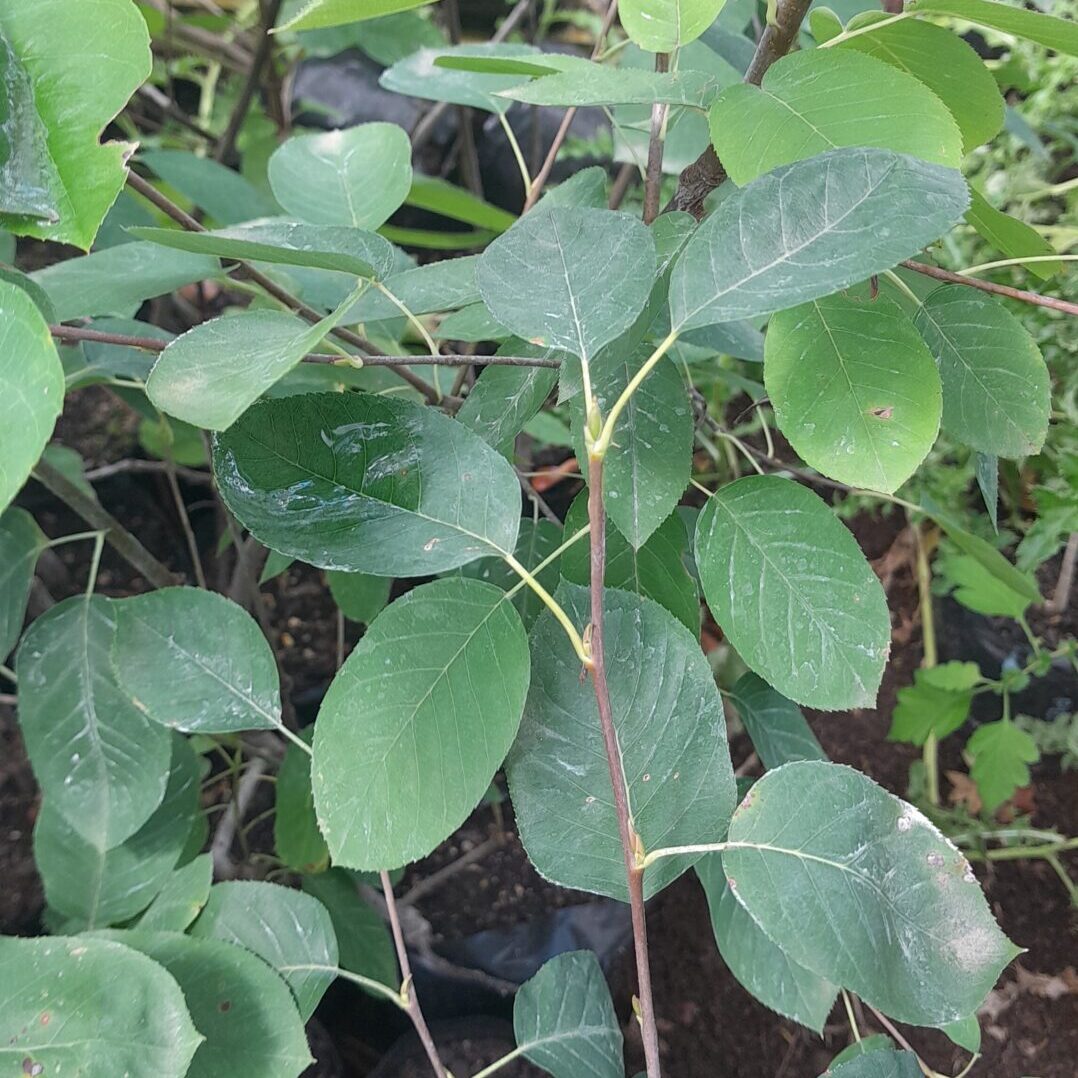
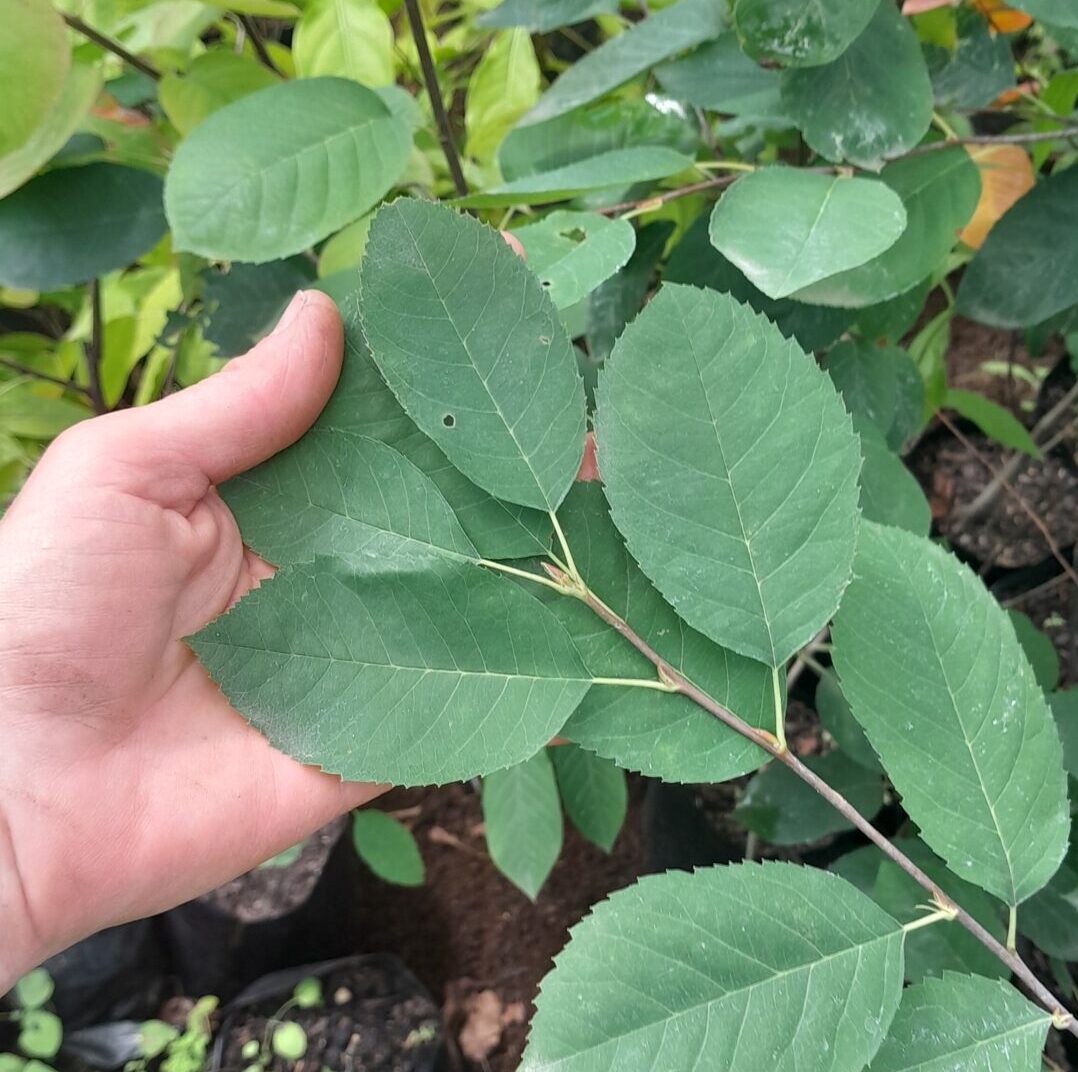
Amelanchier x grandiflora Syn A. canadensis grandiflora

$42.00

In stock

Also known as Autumn Brilliance Serviceberry, Juneberry and Shadbush, (but see also Canadian Serviceberry) this large shrub or tree is a hybrid of A. arborea and A. laevis and grows to a height of between 5 and 7 metres, with a similar spread.

Amelanchiers are native to northwest USA and Canada, and have been described by garden designers as a holy grail tree – not too big, frost hardy, low maintenance, fairly unfussy as to growing conditions, producing a fantastic spring blossom display followed by edible berries in summer and a glorious blaze of bronze in autumn, leaving a sculptural silhouette in winter. What’s not to love?! The spring display consists of a froth of white to pale pink blossoms, and the edible berries, produced in December, are dark purplish-red and approx. 10mm in diameter. Serviceberries are hardy across the whole of the country and are self fertile.

PB5 Height 80 – 100cm

Cultivation

Easy care. Can grow in sun or part shade and tolerates most soil types from light through to heavy clay. However it does require moisture and benefits from afternoon shade in hotter climates. Wind tolerant and can be used as part of a shelterbelt, though not in coastal areas. No major pruning required, but can be thinned or pruned to a single leader if preferred.

Uses

The fruit can be eaten raw or cooked; and has a mild flavour reminiscent of apples. It is rich in high in Vitamins C and A, iron, copper and antioxidants. It is a traditional food source of native Americans, who mixed the fruit with meat and fats and dried it into pemmican to see them through the winter. I suspect the fruit could be good dried as currants and used in baking or muesli, and could definitely be used for jam, wine etc.

The wood is hard and strong and useful for making small tool handles. Amelanchiers can also be used as a dwarfing rootstock for apples and pears.

Medicinal Uses

Although this hybrid is not found naturally in the wild, and we would always recommend a true species over a hybrid for medicinal use, other amelanchier species do have a long history of medicinal use. Traditionally a tea was made from the root bark (mixed with other unspecified herbs) and used as a tonic in the treatment of excessive menstrual bleeding and also to treat diarrhoea. A bath of the bark tea was used on children with worms and an infusion of the root was used to prevent miscarriage after an injury. A compound concoction of the inner bark was used as a disinfectant wash.

History / Folklore / Further Info

Jo Says

Robin Wall Kimmerer, the indigenous scientist of Braiding Sweetgrass fame, has also written a most beautiful book entitled ‘The Serviceberry’ – An Economy of Gifts and Abundance. In it she contrasts the serviceberry’s relationship with the natural world, which is an embodiment of reciprocity, interconnectedness and gratitude, and our own economy, which is rooted in scarcity, competition and the hoarding of resources.

“I lament my own immersion in an economy that grinds what is beautiful and unique into dollars, converts gifts to commodities in a currency that enables us to purchase things we don’t really need while destroying what we do.

“The Serviceberries show us another model, one based upon reciprocity rather than accumulation, where wealth and security come from the quality of our relationships, not from the illusion of self-sufficiency. Without gift relationships with bees and birds, the Serviceberries would disappear from the planet. Even if they hoarded abundance, perching atop the wealth ladder, they would not save themselves from the fate of extinction if their partners did not share in that abundance. hoarding won’t save us either. All flourishing is mutual.”

Highly recommended reading!

Shipping Advice

N.B. Shipping costs are added AFTER you have placed your order, you will then be emailed an invoice with bank details. 

Smallest box rate:
This can fit up to 9 plants in 9cm pots.

Shipping a single tree can be expensive. We may be able to fit more in the box for the same price! See our shipping rates for single and multi tree boxes.

Combining sizes?
No problem, we will work out the best rate for you once you’ve placed your order.

Medical disclaimer

Jo has a passion for growing herbs but is not a qualified herbalist and has no medical background.

We are lucky to have Patricia Beagle working here at times, who is qualified, and some of her advice does appear on these pages, but herbs act differently for different people and can interact with other medicines. We therefore always recommend that you consult with your own qualified health-care practitioner before using herbal products, particularly if you are pregnant, nursing or on any medications.

Kahikatea Farm cannot take any responsibility for any adverse effects from the use of the plants or a plant not having the effect it is reputed to have. 

Related Products

Related Products

Search Products