WE STILL HAVE A FEW SPOTS LEFT ON OUR EASTER SATURDAY PERMACUTURE FARM & NURSERY TOUR - HOP ON TO THE EDUCATION PAGE FOR MORE INFO AND TO BOOK YOUR PLACE!

Mint Horsemint

Mentha longifolia

$7.50

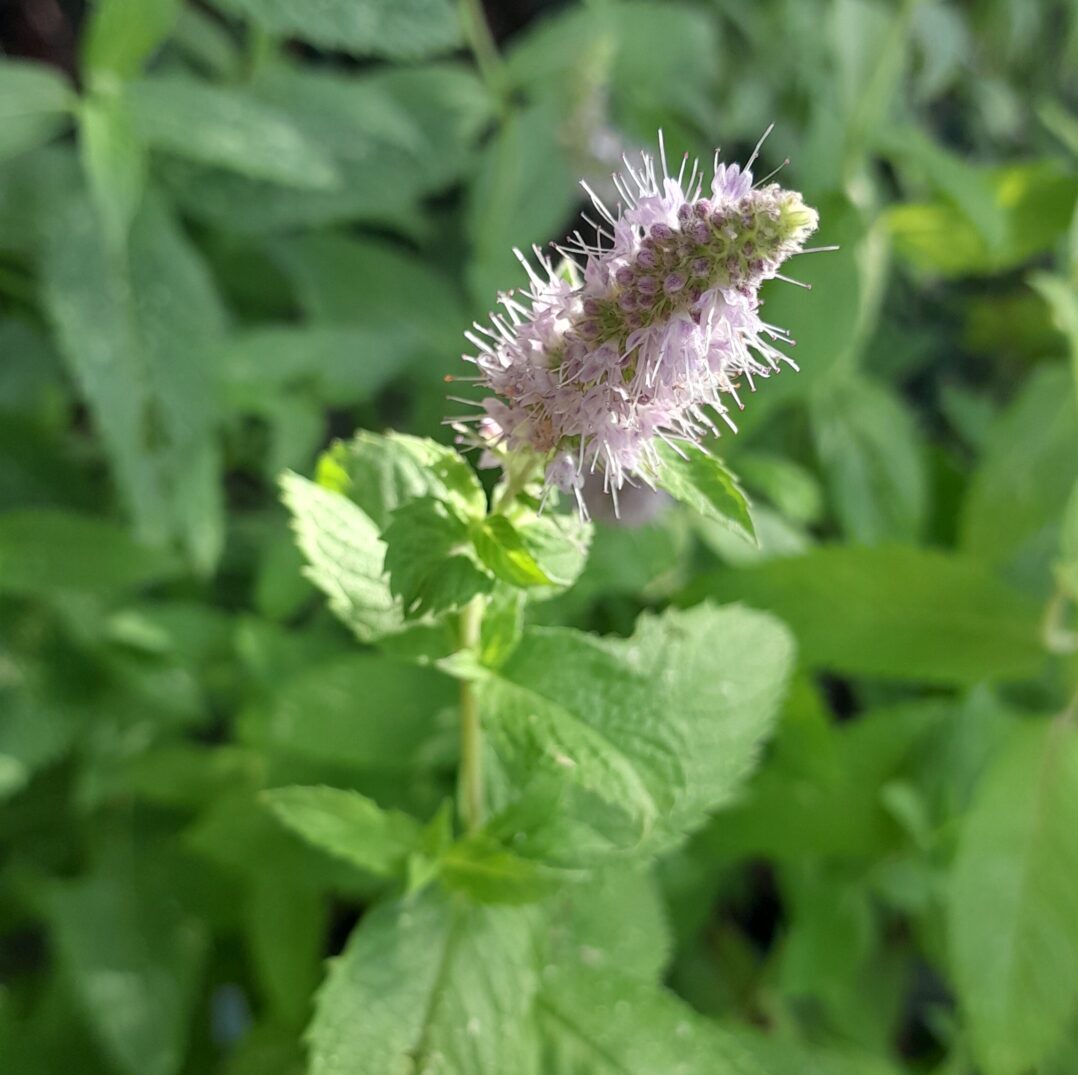
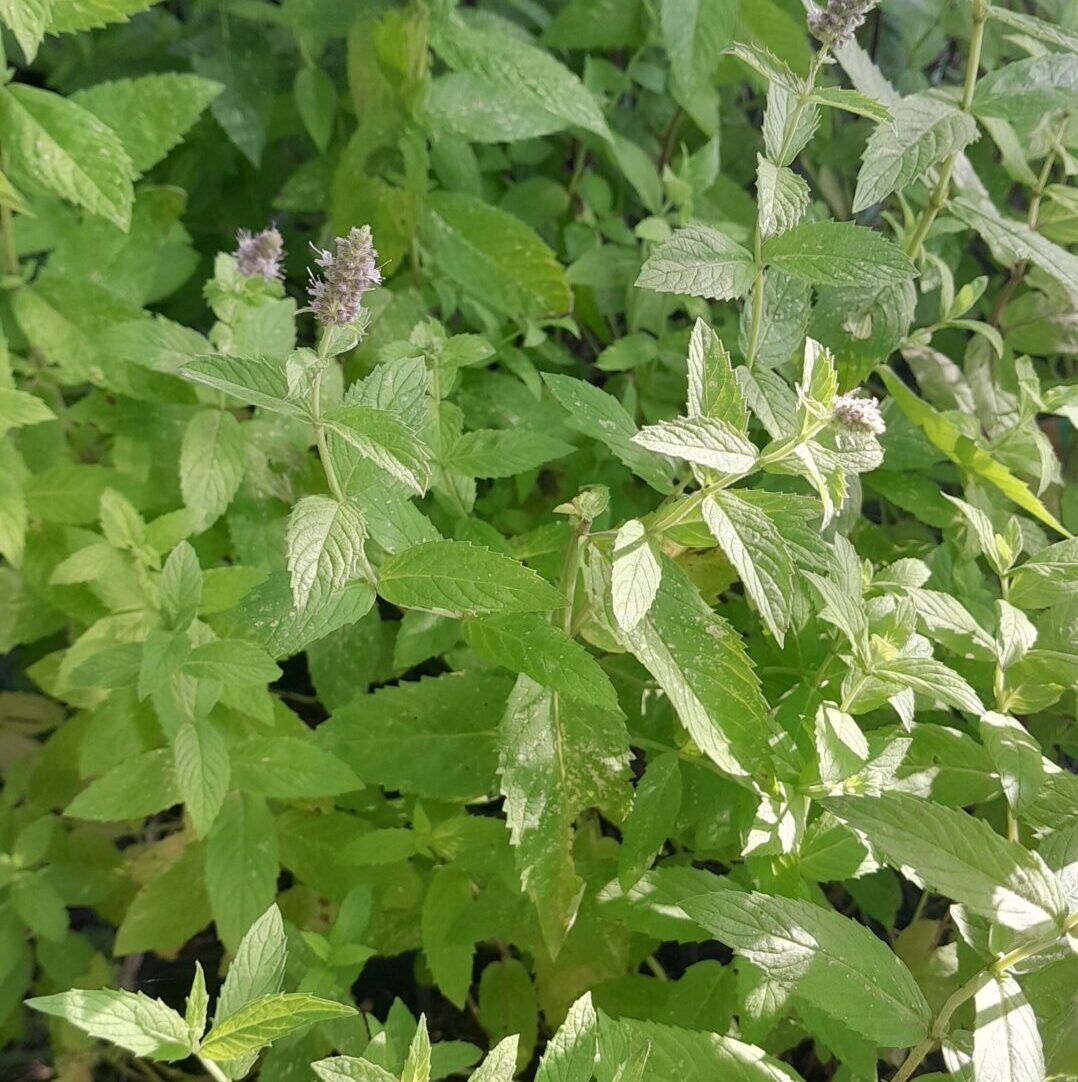
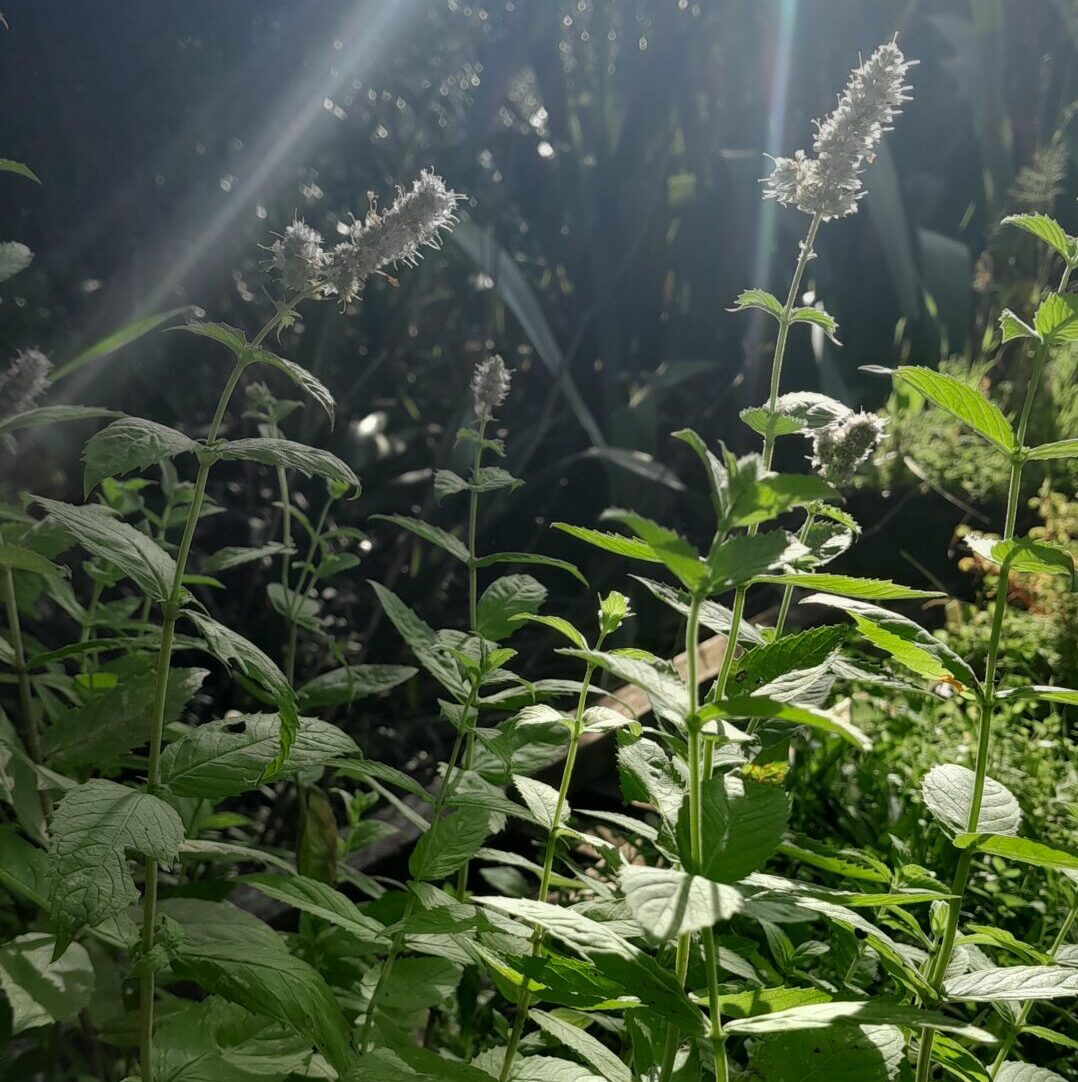
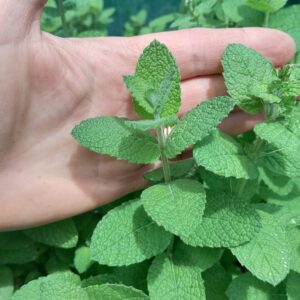
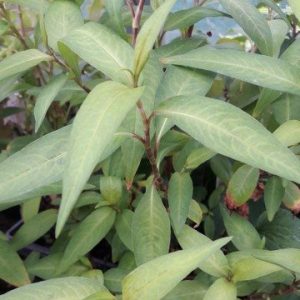
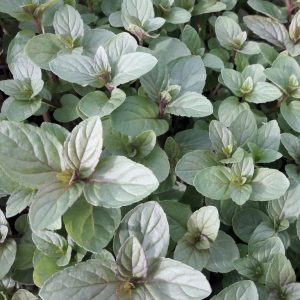
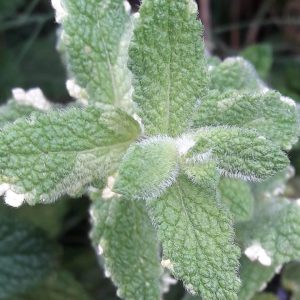
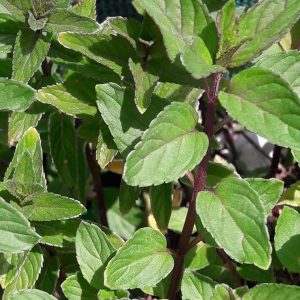
Also known as long-leaved mint, Horsemint is native to mainland Europe, western and central Asia, and parts of Africa outsie the topics.  It is an upright herbaceous perennial which forms a good ground cover in moister areas, and has potential to be invasive where conditions are good. The downy green to grey-green leaves have a musty minty smell, and although edible, I find the taste a little acrid.  However the spires of tiny pale lilac or white flowers throughout summer are very pretty and highly favoured by pollinators. Both leaves and the flowers are much longer and more pointed than those of most other mints, and with the airy flower spires tapering up to 120 cm high (depending on where it’s grown), this makes for a very attractive plant.

9cm pot

Cultivation

Horsemint requires rich, moist soil and will grow in quite deep shade through to full sun, where it will require more water. Keep it confined to a pot if you don’t want it to spread (with a saucer under the pot to retain water).

Uses

A perfect plant for filling an awkward boggy spot, and the bees, butterflies, hoverflies and fellow beneficials will thank you for it! It can also be grown around a chook run or strewn in their pens to discourage rodents.

Medicinal Uses

Horsemint contains many beneficial medicinal compounds and anti-pathogenic properties. It is antibacterial (including against E coli) and also said to be effective against yeast infections such as Candida albicans, and the Giardia parasite. Extracts of Horsemint have shown potential anti-HIV effects. All Mentha species are rich in antioxidants, Vitamin A and E. Leaves can be crushed for use on insect bites, and made into a tea for headaches and nausea.

History / Folklore / Further Info

Horsemint was used as a strewing herb on the floor of houses to disguise less pleasant smells and deter bugs.

Herbie Says

Despite the name, this plant should not be fed to horses (or dogs or cats for that matter) in large quantities. Small quantities are fine for medicinal purposes.

Shipping Advice

N.B. Shipping costs are added AFTER you have placed your order, you will then be emailed an invoice with bank details. 

Smallest box rate:
This can fit up to 9 plants in 9cm pots.

Shipping a single tree can be expensive. We may be able to fit more in the box for the same price! See our shipping rates for single and multi tree boxes.

Combining sizes?
No problem, we will work out the best rate for you once you’ve placed your order.

Medical disclaimer

Jo has a passion for growing herbs but is not a qualified herbalist and has no medical background.

We are lucky to have Patricia Beagle working here at times, who is qualified, and some of her advice does appear on these pages, but herbs act differently for different people and can interact with other medicines. We therefore always recommend that you consult with your own qualified health-care practitioner before using herbal products, particularly if you are pregnant, nursing or on any medications.

Kahikatea Farm cannot take any responsibility for any adverse effects from the use of the plants or a plant not having the effect it is reputed to have. 

Search Products